


Description
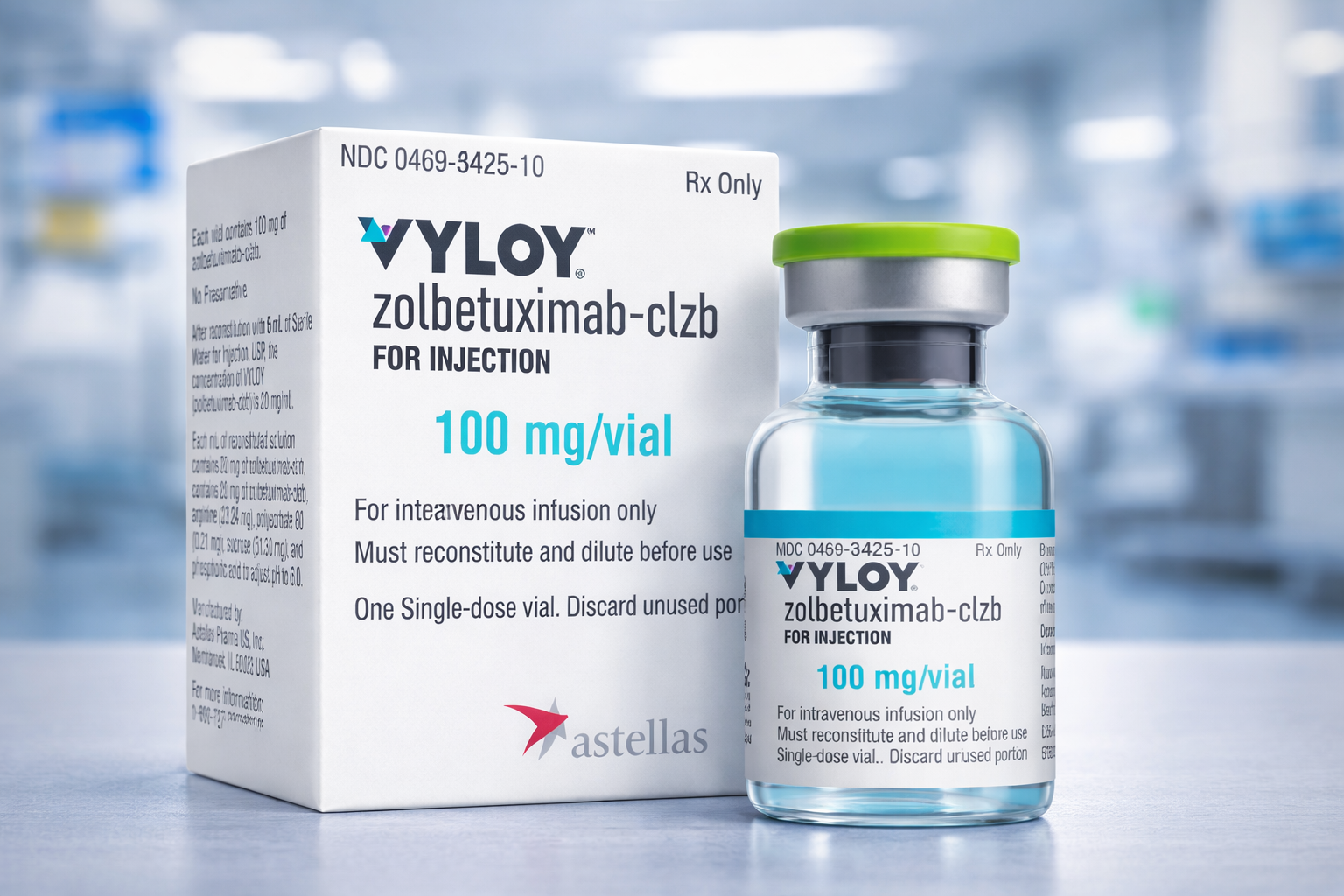
Vyloy 100 mg contains Zolbetuximab, a novel monoclonal antibody designed to target Claudin 18.2 (CLDN18.2), a protein highly expressed in certain gastric and gastroesophageal cancers. It is administered via intravenous infusion under oncology supervision.
🔬 Mechanism of Action
Zolbetuximab binds to CLDN18.2 on tumor cells. As a result, it:
- Triggers antibody-dependent cellular cytotoxicity (ADCC)
- Activates complement-dependent cytotoxicity (CDC)
- Promotes targeted destruction of cancer cells
This selective targeting helps minimize damage to normal tissues.
💊 Indications
Vyloy 100 mg is indicated for:
- CLDN18.2-positive locally advanced or metastatic gastric cancer
- Gastroesophageal junction (GEJ) adenocarcinoma
It is typically used in combination with chemotherapy as part of first-line treatment in eligible patients.
📌 Key Features
- Strength: 100 mg
- Dosage Form: Intravenous infusion
- Therapeutic Class: Monoclonal Antibody (Targeted Therapy)
- Target: CLDN18.2 protein
- Administration: IV infusion in hospital or oncology clinic
- Monitoring: Infusion reactions and overall clinical monitoring required
⚕️ Benefits
- Targeted therapy for CLDN18.2-positive cancers
- Improves treatment outcomes when combined with chemotherapy
- Precision oncology approach
- Enhances immune-mediated tumor destruction
⚠️ Precautions
- Infusion-related reactions (nausea, vomiting) may occur
- Requires biomarker testing (CLDN18.2 positivity) before use
- Close monitoring during infusion recommended
- Use strictly under oncologist supervision
Vyloy 100 mg (Zolbetuximab Injection) represents an innovative targeted therapy for gastric and gastroesophageal cancers, offering a precision-based approach to improve treatment outcomes in patients with CLDN18.2-positive tumors.