


Description
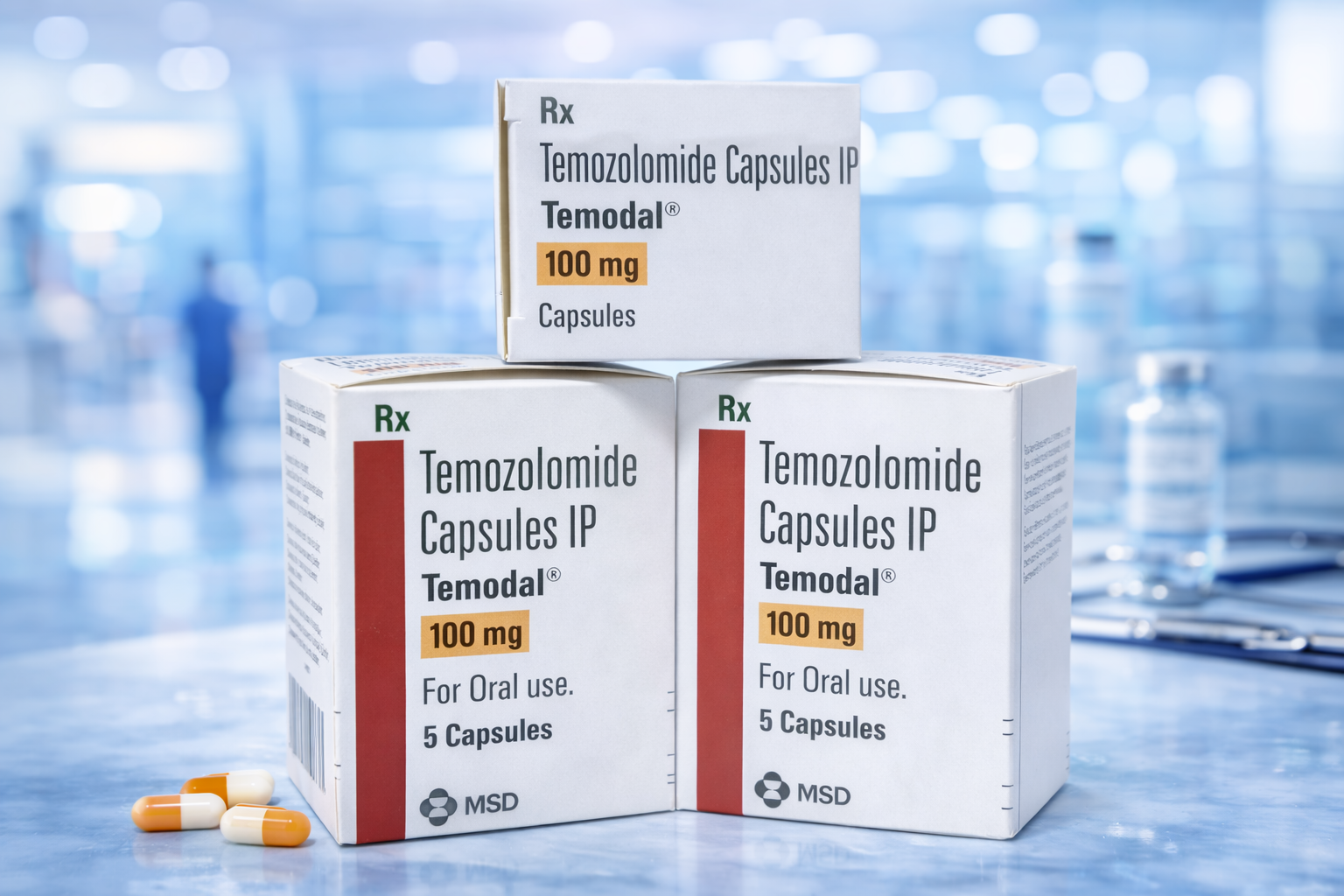
Tamodal 100 mg contains Temozolomide, an oral alkylating agent widely used in neuro-oncology. It is a standard component of treatment protocols for malignant brain tumors, often administered alongside radiotherapy or as maintenance therapy.
🔬 Mechanism of Action
Temozolomide is converted in the body to its active metabolite (MTIC), which methylates DNA at specific sites. As a result, it interferes with DNA replication and triggers cancer cell death. Therefore, it effectively targets rapidly dividing tumor cells in the brain.
💊 Indications
Tamodal 100 mg is indicated for:
- Newly diagnosed Glioblastoma Multiforme (GBM) (in combination with radiotherapy, followed by maintenance therapy)
- Recurrent or refractory Anaplastic Astrocytoma
- Other malignant gliomas as prescribed by an oncologist
📌 Key Features of Tamodal 100 mg
- Strength: 100 mg
- Dosage Form: Oral capsule
- Therapeutic Class: Alkylating Agent
- Administration: Taken orally, dosing based on body surface area and treatment phase
- Monitoring: Requires regular complete blood count (CBC) and liver function tests
⚕️ Benefits of Temozolomide
- Oral chemotherapy for convenience
- Standard-of-care therapy in GBM treatment
- Effective in both concurrent and maintenance settings
- Crosses the blood-brain barrier for targeted action
⚠️ Precautions
- Risk of myelosuppression (neutropenia, thrombocytopenia)
- Nausea, vomiting, fatigue, and constipation may occur
- Risk of opportunistic infections in prolonged therapy
- Regular blood monitoring required
- Use strictly under oncologist supervision
Tamodal 100 mg (Temozolomide Capsules) is a key oral chemotherapy agent in the management of malignant brain tumors, offering effective disease control and improved survival outcomes when used as part of comprehensive neuro-oncology treatment protocols.