


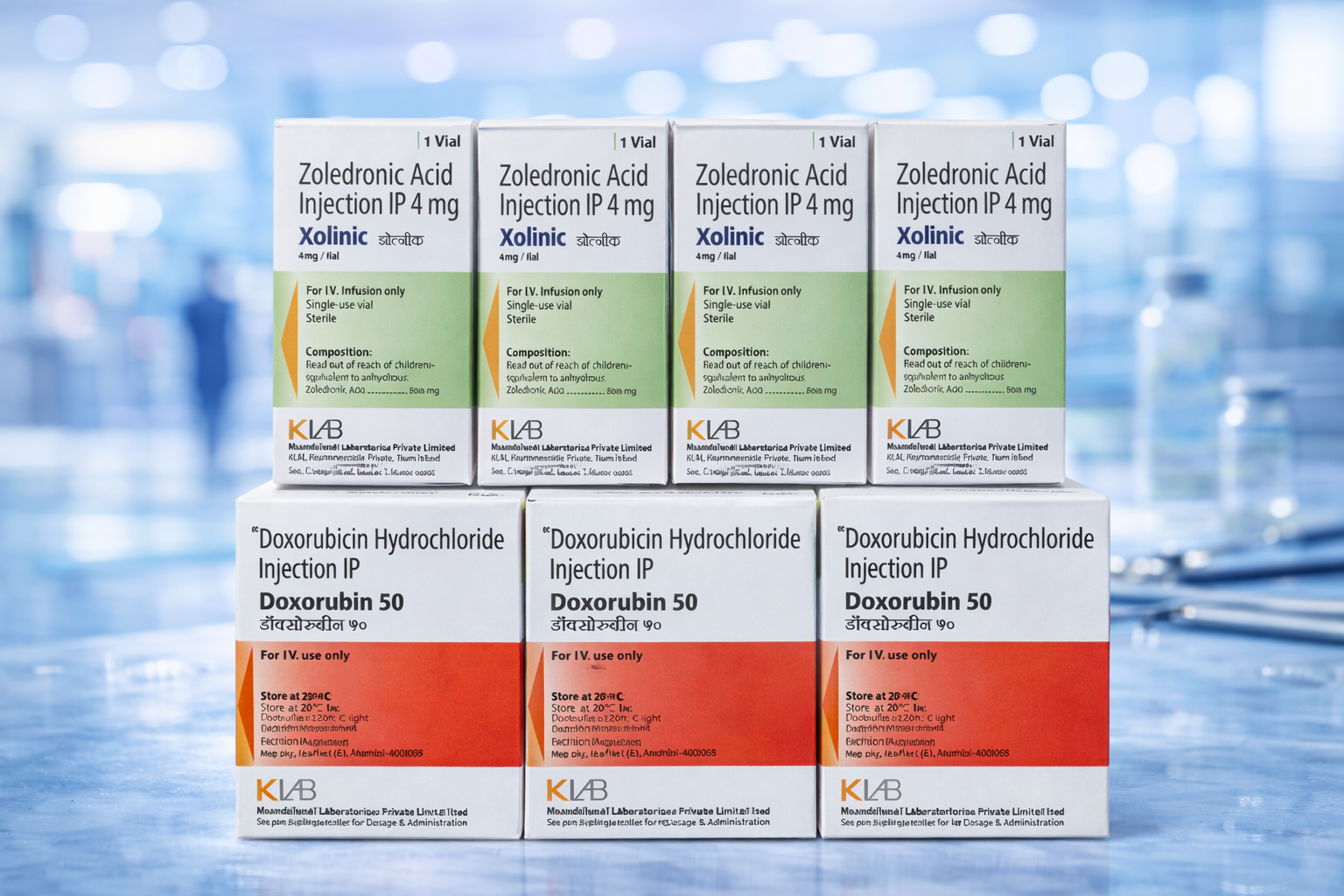
Description
Doxorubin 50 mg contains Doxorubicin Hydrochloride, a potent anthracycline antineoplastic agent administered intravenously in oncology settings. It is commonly included in combination chemotherapy regimens for both solid tumors and hematological malignancies.
🔬 Mechanism of Action
Doxorubicin works by:
- Intercalating into DNA strands
- Inhibiting topoisomerase II enzyme
- Generating free radicals that damage cancer cells
As a result, it prevents DNA replication and transcription, leading to cancer cell death, particularly in rapidly dividing cells.
💊 Indications
Doxorubin 50 mg is indicated for:
- Breast Cancer
- Lung Cancer
- Ovarian Cancer
- Hodgkin and Non-Hodgkin Lymphoma
- Acute Leukemias
- Soft Tissue and Bone Sarcomas
- Other cancers as prescribed by an oncologist
It is often used as part of established chemotherapy protocols.
📌 Key Features of Doxorubin 50 mg
- Strength: 50 mg
- Dosage Form: Intravenous injection/infusion
- Therapeutic Class: Anthracycline Chemotherapy
- Administration: Given under strict medical supervision in hospital settings
- Monitoring: Requires regular blood counts and cardiac function assessment
⚕️ Benefits of Doxorubicin Hydrochloride
- Broad-spectrum anticancer activity
- Effective in both solid and blood cancers
- Proven role in standard chemotherapy regimens
- High response rates in combination therapy
⚠️ Precautions
- Risk of cardiotoxicity (dose-dependent) — cardiac monitoring required
- Bone marrow suppression (anemia, neutropenia, thrombocytopenia)
- Hair loss, nausea, vomiting, and mucositis may occur
- Extravasation risk (can cause severe tissue damage if leakage occurs)
- Use strictly under oncologist supervision
Doxorubin 50 mg (Doxorubicin Hydrochloride Injection) remains a cornerstone chemotherapy agent in modern oncology, offering powerful antitumor activity when administered as part of a carefully monitored treatment plan.