


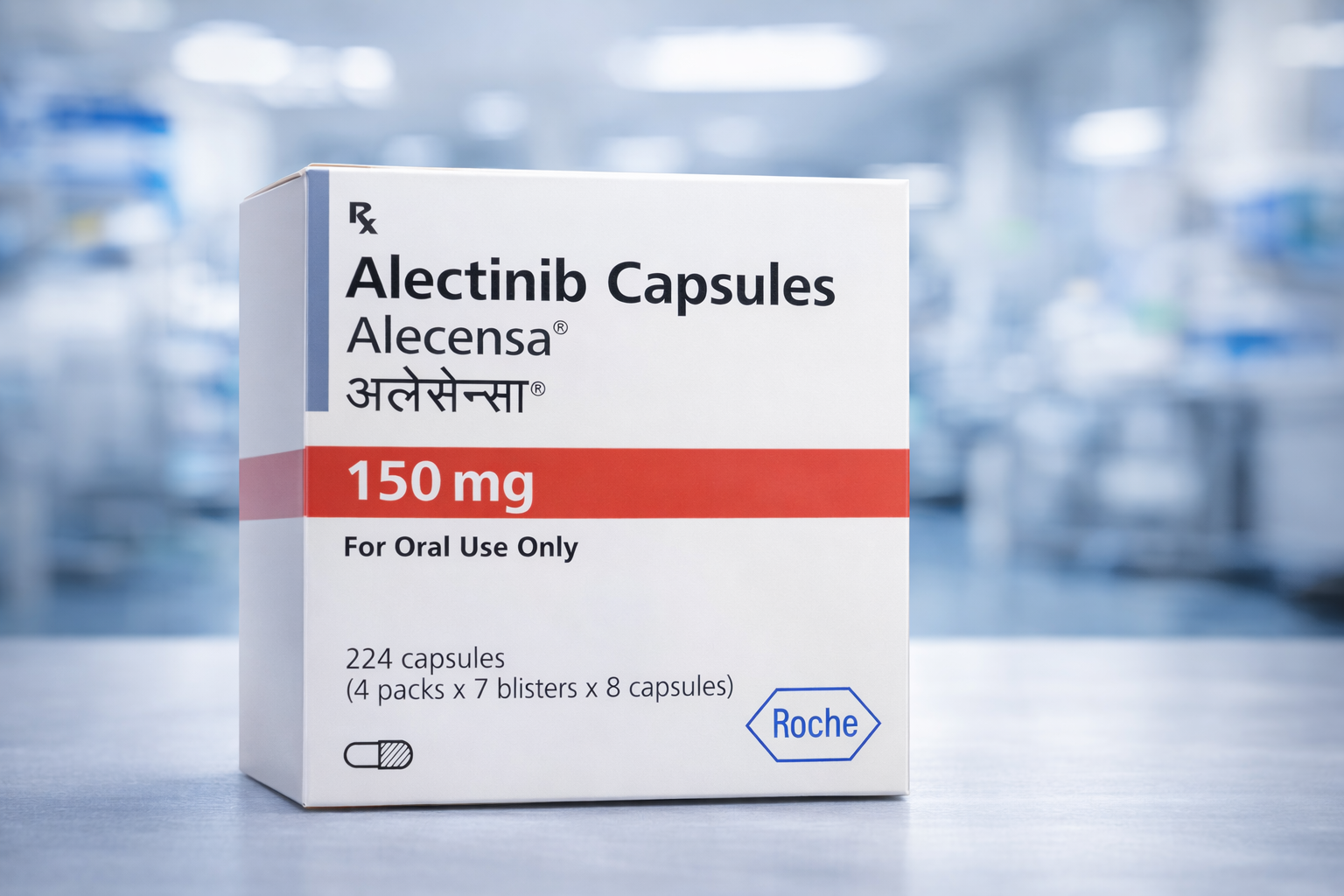
Description
Alecensa 150 mg contains Alectinib, a second-generation ALK tyrosine kinase inhibitor (TKI) designed to target cancers driven by abnormal ALK gene rearrangements. It is widely used as a first-line therapy in ALK-positive NSCLC and in patients who have progressed on earlier treatments.
🔬 Mechanism of Action
Alectinib selectively inhibits the anaplastic lymphoma kinase (ALK) receptor, blocking the signaling pathways responsible for cancer cell growth. As a result, it:
- Prevents tumor cell proliferation
- Induces apoptosis (programmed cell death)
- Helps control disease progression
Additionally, Alectinib has strong central nervous system (CNS) penetration, making it effective in treating brain metastases.
💊 Indications
Alecensa 150 mg is indicated for:
- ALK-positive metastatic non-small cell lung cancer (NSCLC)
- First-line treatment for ALK-positive NSCLC
- Patients with disease progression after crizotinib therapy
📌 Key Features
- Strength: 150 mg
- Dosage Form: Oral capsule
- Therapeutic Class: ALK Tyrosine Kinase Inhibitor
- Administration: Typically taken twice daily with food as prescribed
- Monitoring: Liver function tests, creatine phosphokinase (CPK), and heart rate monitoring recommended
⚕️ Benefits
- Highly effective targeted therapy for ALK-positive lung cancer
- Demonstrates activity in brain metastases
- Improves progression-free survival
- Convenient oral dosing
⚠️ Precautions
- May cause fatigue, constipation, edema, and muscle pain
- Risk of liver toxicity and elevated CPK levels
- Bradycardia may occur in some patients
- Regular monitoring required during therapy
- Use strictly under oncologist supervision
Alecensa 150 mg (Alectinib Capsules) provides a highly effective targeted treatment option for ALK-positive non-small cell lung cancer, helping improve disease control and patient outcomes under expert oncology care.